During life, an average of 30 scars develops in humans. Patient, with severe acne and stretch marks will even have many more scars
The scar is the end point of every wound healing . Therefore, there is no scarless healing, even not with a Plastic surgeon. Thus the goal of every scar treatment is to end up with the least noticeable scar
Holistic Approach: Tissue damage not only leads to an externally more or less visible scar, but often also to psychological trauma (Soul Scar)
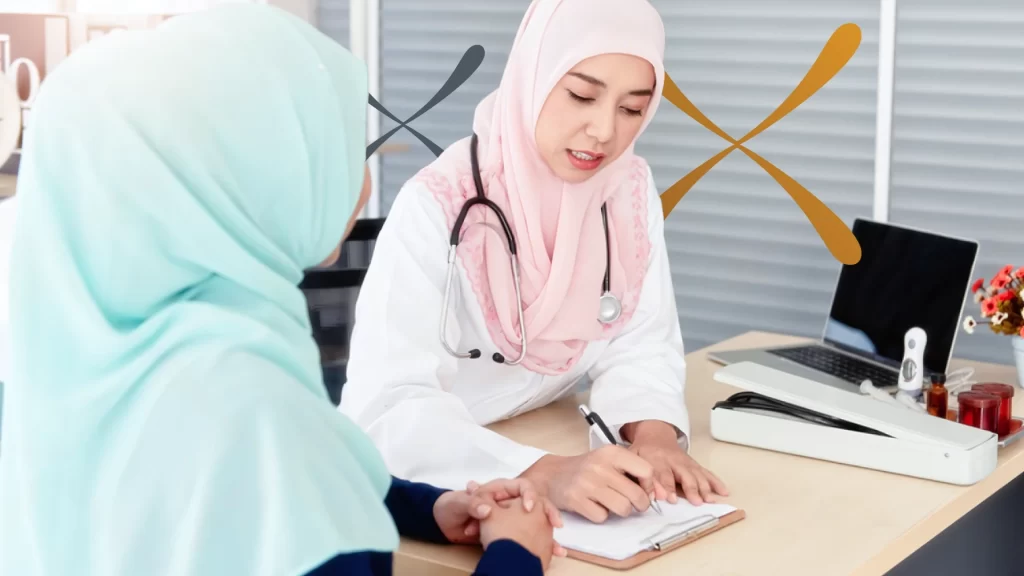
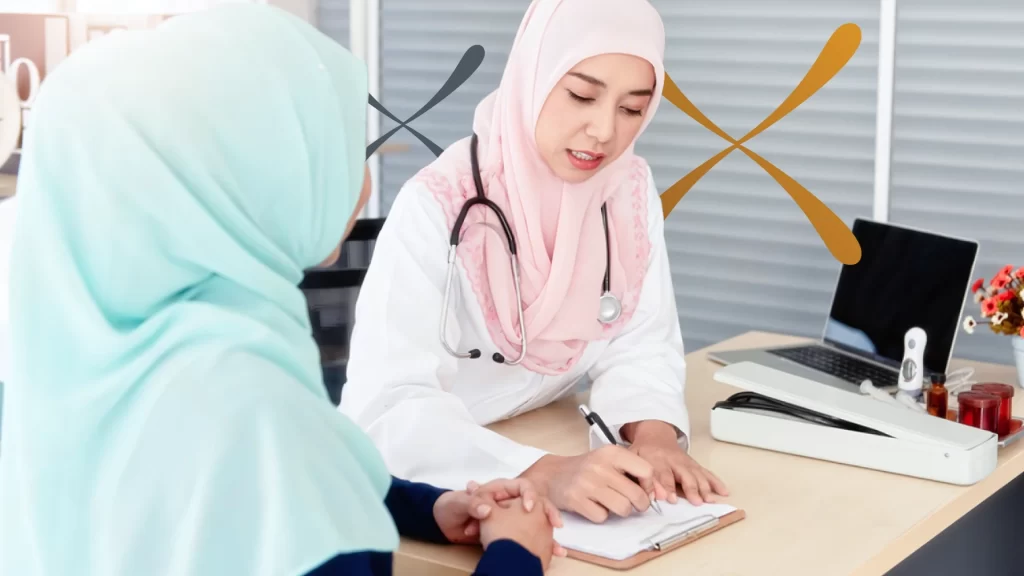
If one looks at the multitude of different scar forms and, accordingly, the multitude of possible therapies, it quickly becomes clear that a single discipline alone cannot offer the entire spectrum of modern and comprehensive scar therapy
Plastic Surgery and Dermatology are the central points of contact (Core group).
Depending on the initial Scar examination, further specialties (Special teams) are consulted for individually tailored diagnostic and treatment
The Scar Center is a national and international reference center for comprehensive Scar Care, the first in Muscat and Oman and one of the few in the world
Bord-certified, famous doctors: Dubai Cosmetic Surgery Center has brought together the best talents in the healthcare industry to provide you with superior and world class medical services (→ Link Our Experts)
“all in one hand”: Neem Hospital is proud to offer all necessary diagnostic and treatment options in Muscat
Fresh Scar treatment is possible during scar maturation, a process that usually takes several months. The principle applies "As long as a scar is red, it can be improved"
There are various simple, conservative therapy options to influence scar maturation, these are summarized in the so-called Scar Suppression Ladder
The quality and moisture condition of the skin has a decisive influence on scar formation.
Skin care with refatting crème (Vaseline, Mebo Scar, … ) 3 – 5x/day by the patient (“Taking care of my scar“ → psychological impact)
2) Edema/Swelling Management
Adequate Edema Management speeds up wound healing and scar maturation.
Compression-Therapy on a scar leads to a so-called “beneficial ischemia”. Depending on the amount of pressure there is:
Acceleration of scar maturation, if > 15 mmHG
Reduction of scar volume, if > 25 mmHG
3) Scar Massage
The massage is crucial, not the ointment.
Scar massage with refatting crème (Vaseline, Mebo Scar, …) 3 – 5x/day by the patient.
Goals of treatment are:
Desensibilisation (reduction of hypersensitivity)
Reduction of scar volume
Reduction od scar redness
Removal of scar adhesion
4) Silicone Sheet therapy
Silicone sheet therapy is a cornerstone of successful scar suppressive treatment
Application of a thick silicone sheet on a scar has an occlusive effect and leads to a local increase of temperature and water steam, which are thought to be the main responsible changing that:
Reduce scar redness
Improve scar suppleness
5) Combined Silicone and Compression Therapy
Combined Silicone and compression treatment lead to an amplification the effect of the individual components
Based on the positive experience in burn patients, silicone therapy became a well-accepted standard treatment in burns.
When transferring this treatment method to other scar types such as surgical scars and keloids, some key points need to be discussed in detail with the patient:
Silicone Therapy can only be started after complete wound healing, which is about 2 – 3 weeks after injury/surgery.
Should I use a silicone patch or silicone gel?
Whenever possible, the silicone platch should be used, as it has a significantly higher scar-suppressing effect than the silicone gel.
Silicone gel is only indicated when a silicone patch cannot be used (e.g. face).
What do you have to consider when starting therapy?
At the start of therapy, care must be taken to gradually adapt the skin to the new conditions in order to avoid possible side effects.
Each silicone therapy starts with a duration of 2 hours. During the first week, the duration of therapy is increased by 2 hours per day. If redness with itching occurs in the area of the silicone plaster, the treatment must be interrupted for 24 hours and then continued with the same therapy duration.
How many hours a day should you wear silicone scar sheets?
We recommend wearing the sheets for 12 to 20 hours, making sure you remove them daily to allow the area to be washed, cleaned and refatted. Silicone patches can be worn during night time or during day time, depending on the patients`activities and the preferences
How long can you use one Silicone Patch ?
The same silicone patch can be used for 4 – 6 weeks, provided good maintenance.
The silicone patch should be changed when it loses its self-adhesive function
How do you wash Silicone Scar Sheets?
Silicone sheets should be cleaned daily to maintain adhesive strength:
Rub the sheet with a few drops of cleaning soap or neutral soap and lukewarm water.
Rinse the Silicone sheet well under lukewarm, running water so that all dirt and soap residue is removed.
The washed silicone plaster should be placed on the edge of the sink or on a smooth surface with the non-stick side down
How long does the whole Silicone Therapy last?
In the course of scar maturation, the scar changes color. The principle applies: “As long as a scar is red, it can be improved by silicone treatment. For most patients a period of 3 – 6 months is necessary.
How often do I have to go to Scar Check-ups?
Follow-up examinations at the following points in time have proven effective in scar therapy:
3 weeks post-op (start scar treatment)
6 weeks post-op (control swelling, control scar treatment)
12 weeks post-op (control swelling, control scar treatment)
1 year post-op (long term result)
Does silicone therapy rid of scars?
Silicone therapy does not lead to scar removal, but to an improvement in the appearance of scars in most patients
What are the Benefits of the Silicone Therapy?
The application of a silicone patch helps soften, flatten, and fade scars, by:
Reduction of Scarring, thus improvement of scar soupleness
Acceleration of maturation process, thus earlier reduction of scar redness
What are the Risks of the Silicone Therapy?
Silicone treatment is a safe procedure. There have been no reported side effects from using silicone strips because it is made of non-toxic, medical-grade silicone.
In rare cases, very sensitive skin may experience redness and itching in the area of the silicone plaster at the beginning of the treatment. In this case, silicone therapy should be stopped for 24 - 48 hours and then restarted.
What are the Costs of the Silicone Therapy?
Silicone patches can be purchased at the pharmacy or online.
Depending on the quality of the silicon patch, the price varies from 40 to 260 AED
Correction of Surgical Scars (C-section)
If a scar is established, there are multiple conservative, minimal-invasive (Peeling, LASER, Dermabrasion, Filler (Hyaluronic acid), Fat transfer, Stem cells ) and operative treatment options to improve it.
Very often several treatment option are used in combination. The choice of treatment option(s) is determined by the type of scar
There is a high rate of patient satisfaction .
But keep in mind that the scar healing process takes about a year. Scars typically start out as red, then tighten, and finally relax into a more subtle color.
The patient has to participate actively in the scar suppression treatment (→ fresh scar treatment).
The skin above the surgery area may be slightly less sensitive for 1-3 months.
Keloid
A Keloid scar is a thick (hypertrophic) scar above skin level that grows beyond the initial wound area
Keloid frequently shows itching. It usually forms on earlobes, shoulders, cheeks or the chest. There is a strong genetic background
It usually forms on earlobes, shoulders, cheeks or the chest
There is a strong genetic background
Most Keloid treatment show a high recurrence rate (80 – 90 %).
Intoxications, ……
Principle of treatment are:
Elimination of the triggering cause
Removal of Keloid
Combined Keloid Treatment (To effectively avoid a recurrence after treatment keloid, it is necessary to combined several treatment options)
Keloid Resection and postoperative Low-Dose Radiotherapy (LDRT) < 6 – 24 h
If surgery is necessary it should always be combined with postoperative Low-Dose Radiotherapy (LDRT) within the first 6 to 24 hrs after surgery, in order to reduced early wound healing cascades and lower the recurrence rate to 5 – 10 %
Elimination of the triggering cause
Removal of Keloid
Low- grade Radiation therapy starting < 6 – 24 hrs after surgery
All patients, who suffer severe keloid at the earlobe, or recurrence after minimal-invasive keloid treatment (cortisone injection, cryotherapy) can be treated with low-dose radiotherapy (LDRT) as an essential part of multimodal treatments.
Prof Dr Robert Hierner, a renowned scar specialist in Dubai, will examine keloid and symptoms, and suggest the treatment.
Low-Dose Radiotherapy (LDRT) is one of the pillars of therapy in the multimodal treatment of keloids
What is Radiotherapy and how is it effective for keloid treatment?
Low-dose radiotherapy is a therapeutic tool for treating all proliferative diseases of the soft tissues. Keloid is a hyperproliferating scar. Hence LDRT treatment can help in alleviating keloid symptoms
Where can Low-dose Radiotherapy (LDRT) for keloid treatment be done ?
Low-dose Radiotherapy (LDRT) for keloid treatment is carried out at the Department of Radiotherapy
Scar contractures are functionally more important the closer they are to a joint and the more perpendicular they are to the Skin Lines. Basic principles of surgical scar correction are:
Interruption of the scar by inserted tissue
Change in the course of the scar (parallel to the skin tension lines)
While for most patients, acne heals completely without leaving scars, for others these are a lasting reminder of the skin disease.
If the course of the disease is particularly severe, scars can characterize the skin and become a psychological burden for those affected
The following basic principles have proven effective:
The best treatment of Acne scar is prevention
early onset of adequate local and systemic acne treatment
If acne scars cannot be prevented, the must be treated early
reduce/stop of any residual acne disease activity (→ Dermatology)
Once acne scars are established, the aim is to make them less noticeable
rule out any residual acne disease activity before starting invasive local scar treatment (reduction of infection risk).
Compensation of unevenness by “thinning” the skin down to the superficial dermis with spontaneous regeneration. Procedures need to be repeated 2 – 3 times with a minimal distance of 6 – 12 weeks.
Peeling
LASER
Dermabrasion
Scar Release (Subcesion) & Fat grafting
For severe cases autologous fat cell transfer (Lipofilling) has proven a reliable method to significantly improve the appearance. The treatment is divided into 3 steps:
The liposuction for harvest of fat graft is performed under local anesthesia, if desired also combined with a light twilight sleep. The main donor region is the inner thigh (one surgical field). After suctioning, ensure adequate wound drainage. A highly absorbent bandage is applied
Scar release (subcision) is also carried out under local anesthesia.
Thefat transfer (autologous fat injection, lipofilling) Then a certain amount of autologous fat is inserted into the respective skin layer with a fine needle. Small dressing (Steristrip) may be necessary in rare cases.
Stretch Marks
The term "Tumor" comes from the Latin and refers to an increase in the volume of a tissue (“swelling”) - regardless of how it came about and whether it is benign (good) or malignant (bad).
family disposition
periods, were our skin stretches quickly (i.e. growth spurts in puberty, pregnancy, rapid weight gain)
in case of high cortisone level for longtime (medication, Cushing disease, …)
There are several treatment option available. It’s important to understand that no single treatment works for everyone — and many products don’t seem to work at all. The following basic principles have proven effective:
The best treatment of Stretch marks is prevention
If stretch mark cannot be prevented, the must be treated early:
Pigmentation problems are a common consequence of deep partial- and full-thickness burns, other skin trauma, and surgical procedures. Altered skin pigmentation in scars, can result from increased or decreased pigment (melanin), abnormal pigment (melanin) distribution, or deposition of exogenous substances
In principle, a distinction is made between too much skin pigment (hyperpigmentation) and too little skin pigment (hypopigmentation). In scars, both conditions often occur at the same time
Both hypopigmentation and hyperpigmentation can cause esthetic and psychological issues, which may influence quality of life.
Treatment of hyperpigmentation is the domain of Dermatology
Too few (Hypopigmentation)
Some scars can no longer be improved by any conservative and surgical measures (e.g. pigment changes). Appropriate scar cover can make these scars appear less noticeable
Temporary Scar covering is indicated at any point in the scar therapy, it is at the beginning of every scar therapy and is at the same time the icing on the cake of a successful scar therapy. There are 2 main options:
Camouflage is used up in areas, in which conspicuous color differences need to be "covered up"
“Corrective make-up” is and advanced form of camouflage used at the face. With the help of a few practical make-up tips, pigment changes can be concealed, and the patient's social acceptance can be significantly improved
Permantent scar covering
Permantent scar covering by micropigmentation (tatooing) is routinely done by medical tattoo artist in oncological breast reconstruction patient for the nipple reconstruction. In Scar treatment there are 2 main option:
Discretion, i.e. try to even out the color difference
(→ skin micropigmentation)
Distraction, i.e. try to cover up the scar with a tattoo
Soul Scars
“Body and Soul”: Tissue damage not only leads to an externally more or less visible scar (Body Scar) but often also to psychological trauma (Soul Scar).
“Stress and Coping”: The reality of a serious physical illness (cancer, transplant, stroke, etc.) leads to extreme human situations that the sick person, their family and their psychosocial environment have to cope with.
The task of medicine is to keep the sick not only “alive”, but also “in life”.
Treatment of the Soul scar is the domain of Mental Health (Psychology, Psychiatry)
Health Education
“Scar management begins with awareness”
Why do Scars appear?
What Type of Scars are there?
What are the Consequences of Scars?
The Scar Consultation
Principles of Scar Treatment
………..
…….and to know what is typical for you
Being familiar with how you usually look like and feel makes it easier to detect when there's a change
At the Health Education Center, we are empowering patients, their families and the community to take control of their Body & Soul, by providing important information on
Wellness
Health
Beauty
Longevity
Neem Health Education Center is dedicated to going beyond traditional education, fostering continuous learning through various platforms.
Neem Hospital has a transparent organizational structure: Although there is a clear top-down organization, we encorage and support every individual employee idea that can contribute in this direction. Our leaders are open to feedback, they take action on feedback, we arrange regular Town Hall sessions, and also an Annual Employee Engagement Survey.
As a campany culture, we strive in areas such as:
seamless healthcare services
holistic care of body & soul
value-based care
Education
Prevention
Care with Technology
At Neem Hospital Hospital, we engage in several engagement activities that support the well-being of our employees and recognize the valuable contributions of the team. To ensure this, we have a comprehensive rewards and recognition program.
We believe in celebrating:
Respect
diversity and cultures
family involvement activities like Movie Time, Festive celebrations with employees and their families
Neem Hospital is the perfect combination of futuristic ideas and Omani traditions, culture and values (“where tradition meets future”)